

友情链接
- Copyright © Science and Technology Daily, All Rights Reserved
- 科技日报社 中国科技网 版权所有

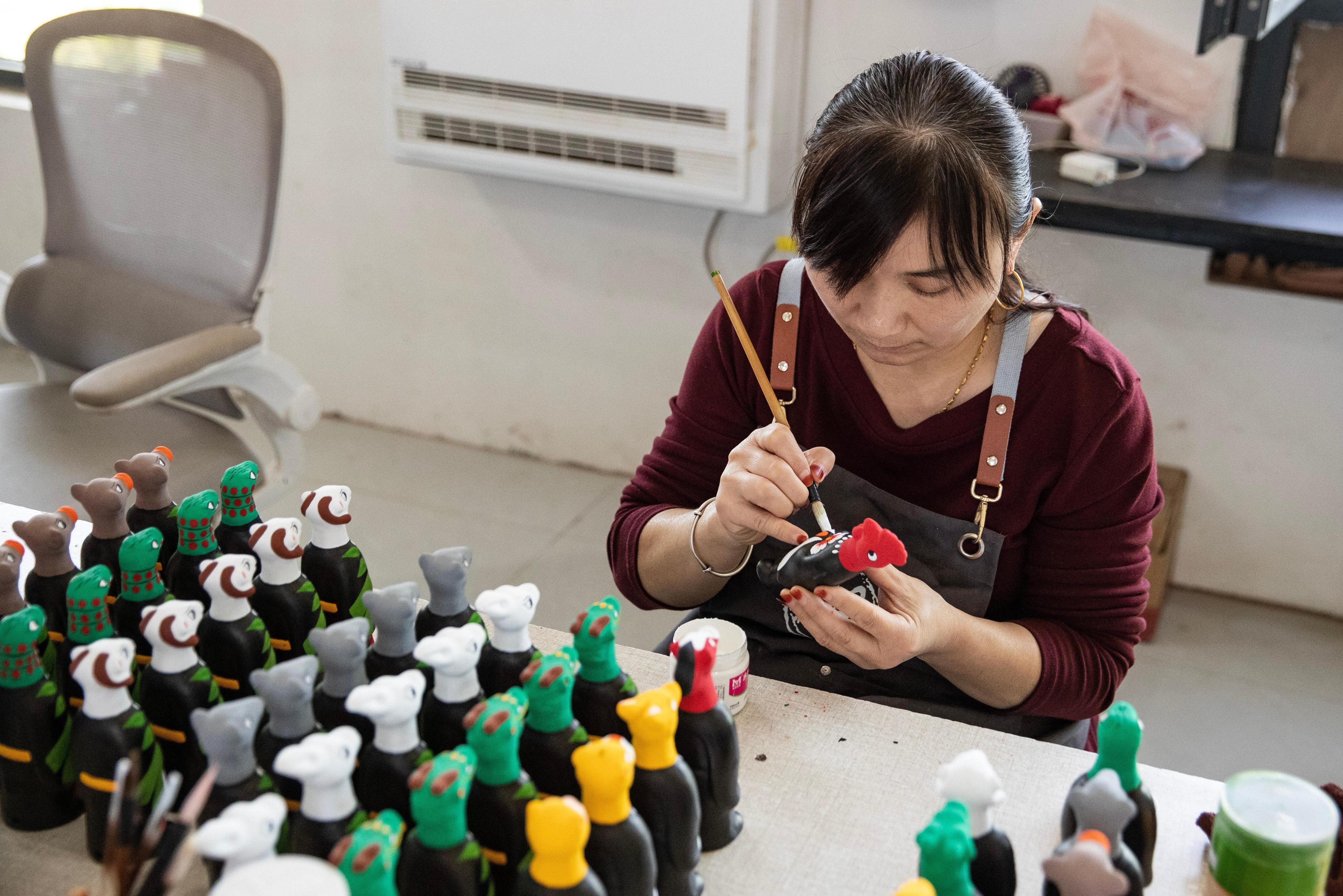
The Ministry of Culture and Tourism recently released China's 15th Five-Year Plan for the protection and inheritance of intangible cultural heritage (ICH), outlining a package of measures for systematic conservation.
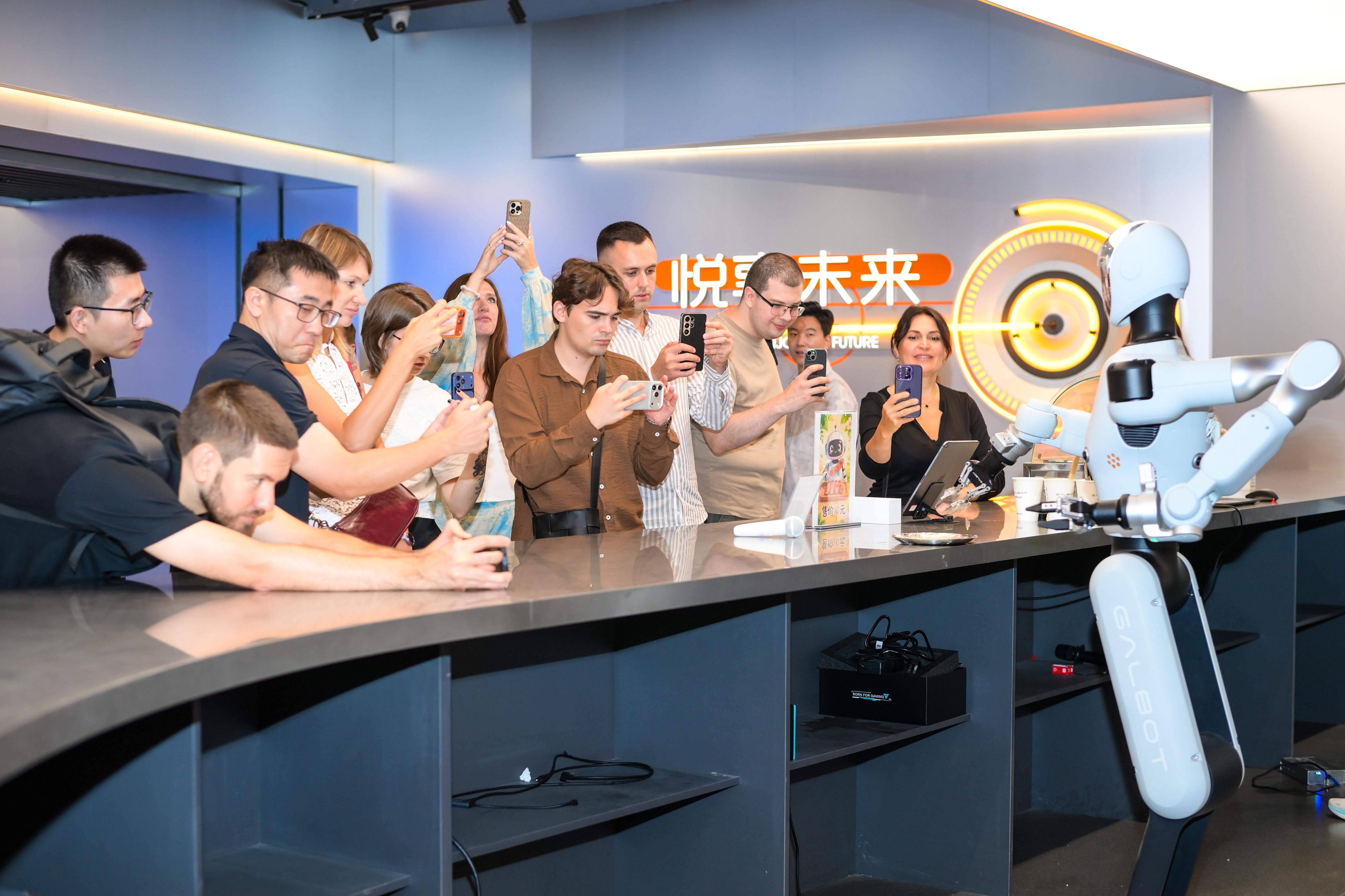
China has released a new three-year action plan to support small and medium-sized enterprises (SMEs) in the AI sector from 2026 to 2028 by boosting innovation and entrepreneurship, as part of its drive to strengthen AI development.
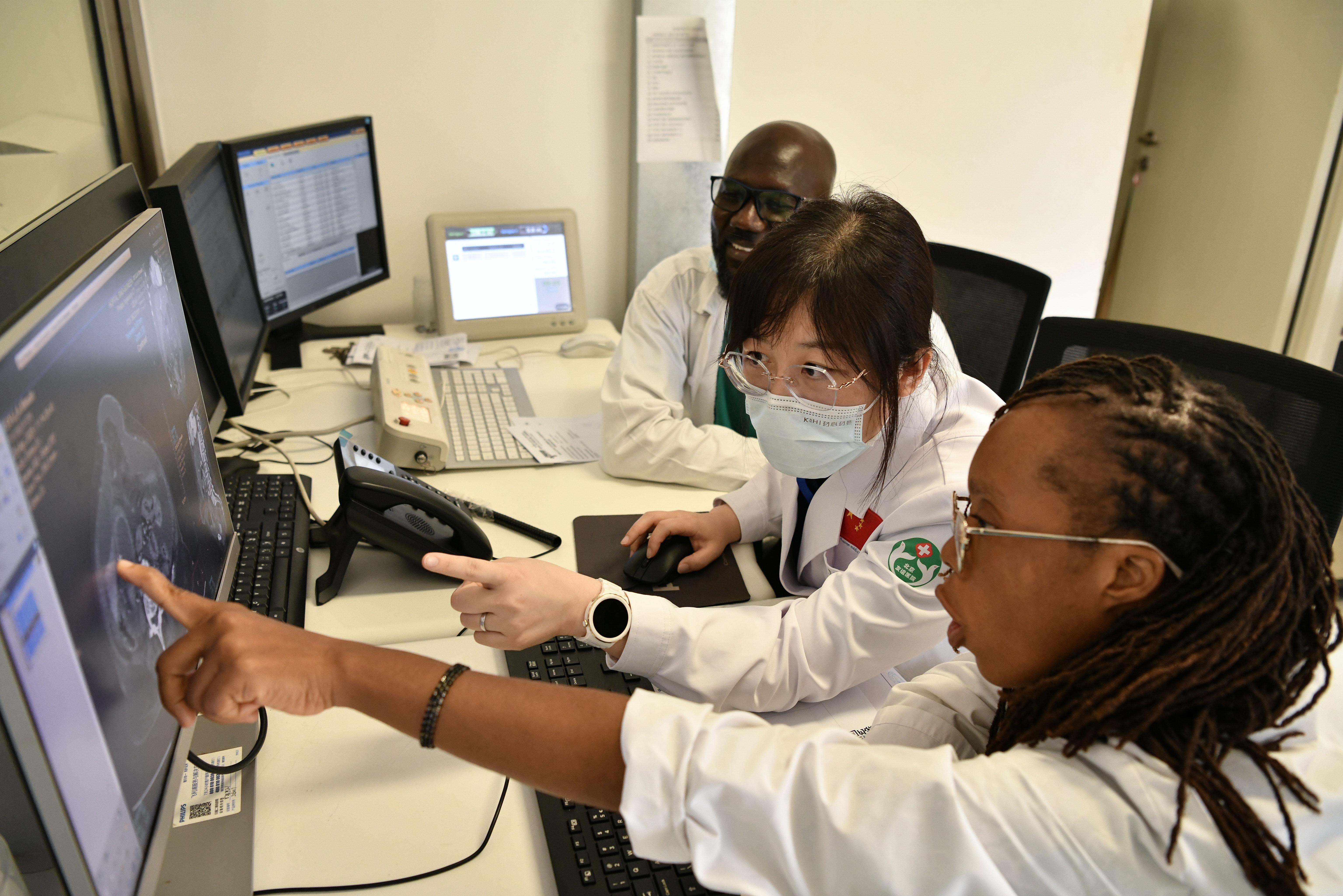
To regulate algorithm research, technology development, clinical validation and translation in AI medical imaging, mitigate ethical risks, and promote responsible innovation, the Ministry of Science and Technology released the Ethical Guidelines for AI Medical Imaging Research on August 27.
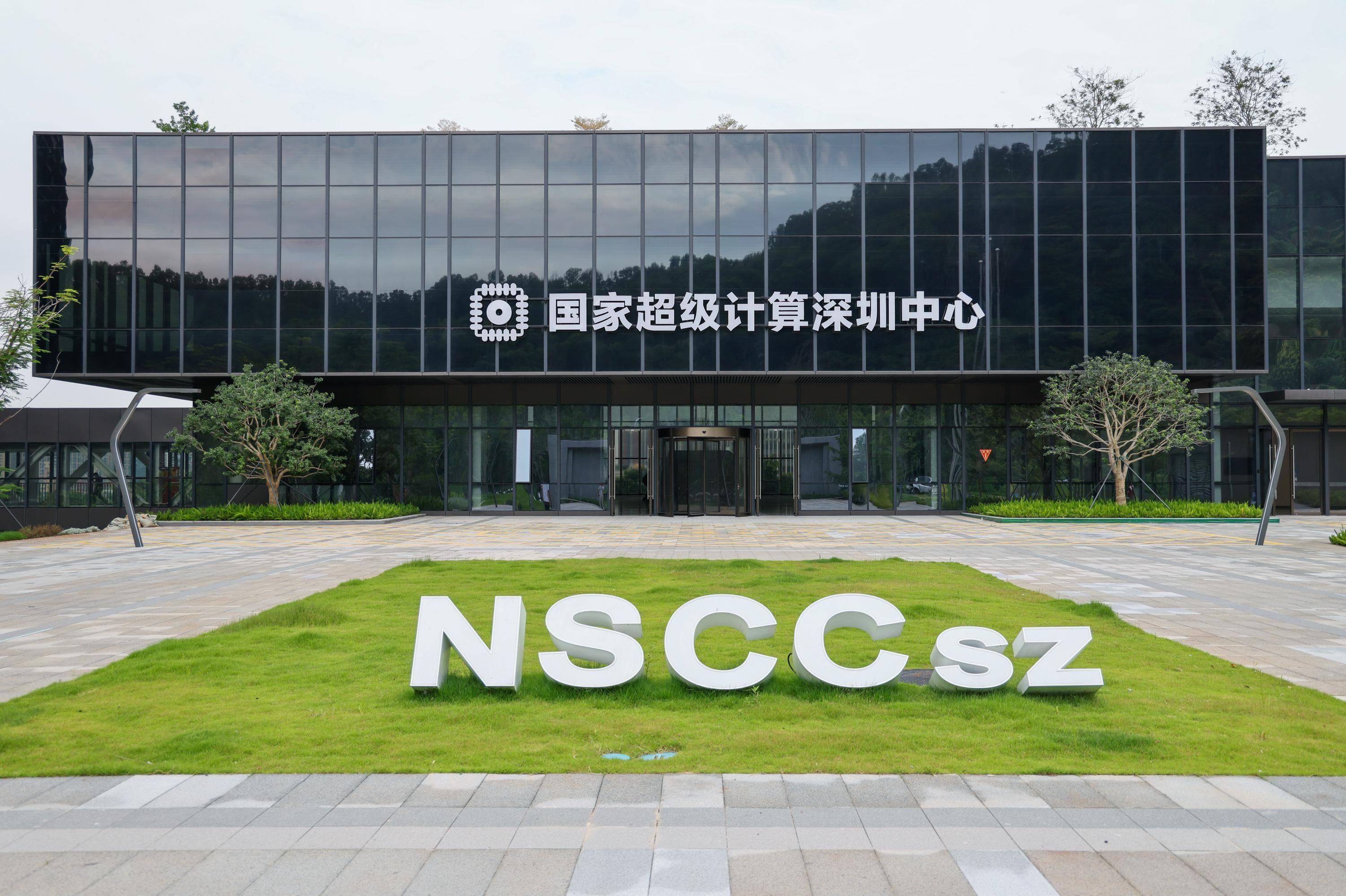
The Ministry of Industry and Information Technology (MIIT) recently issued the 15th Five-Year Plan for the development of the information and communications technology (ICT) industry to boost high-quality development in the sector.
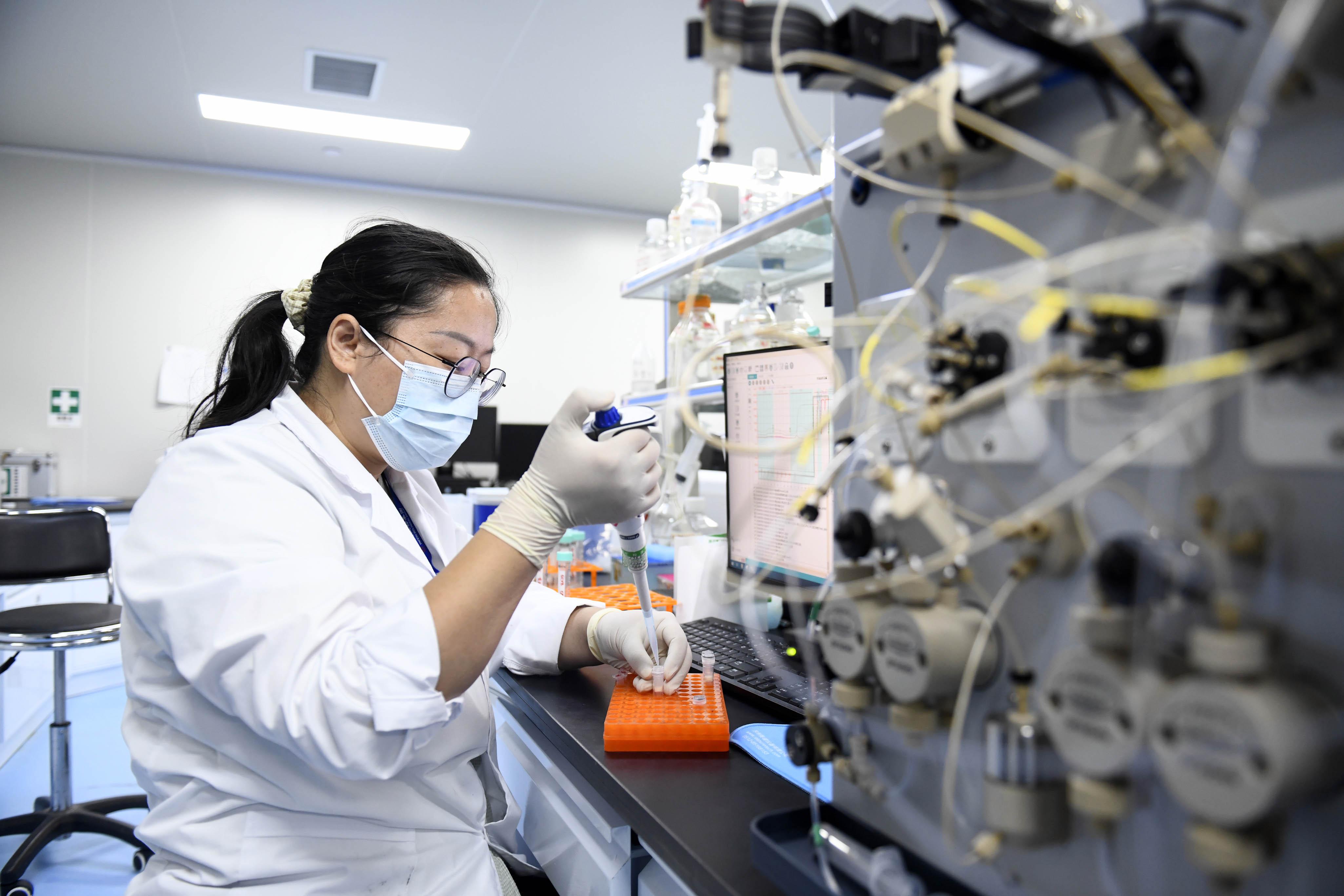
Ten government departments, including the Ministry of Industry and Information Technology, jointly released the 15th Five-Year Plan (FYP) for the development of the pharmaceutical industry, setting the goal that China's biomedical research, development and application will stand at the world's forefront by 2030, with systematic breakthroughs in key core technologies across priority areas.
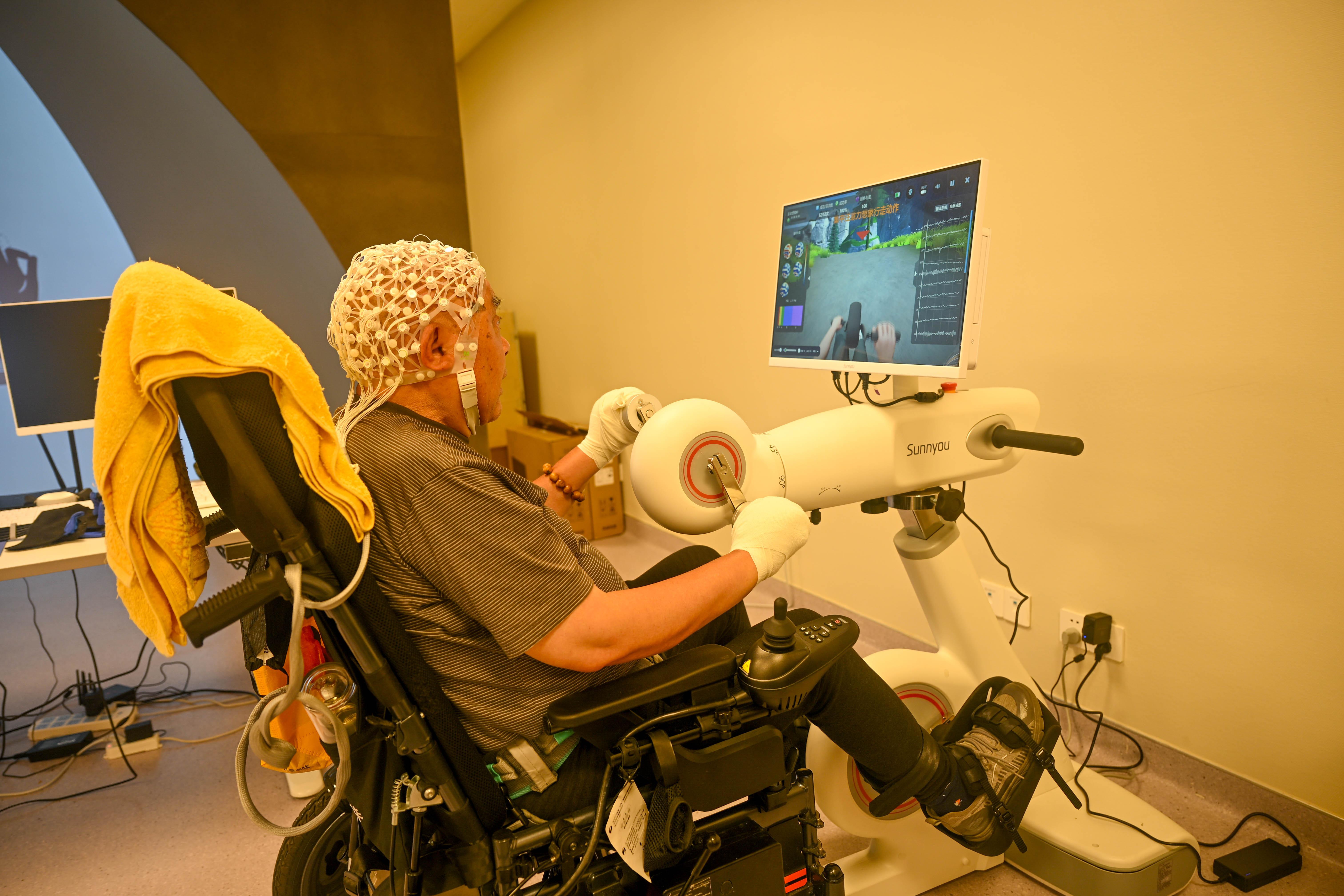
China's National Medical Products Administration(NMPA)has issued the country's third medical device standard for brain-computer interfaces.
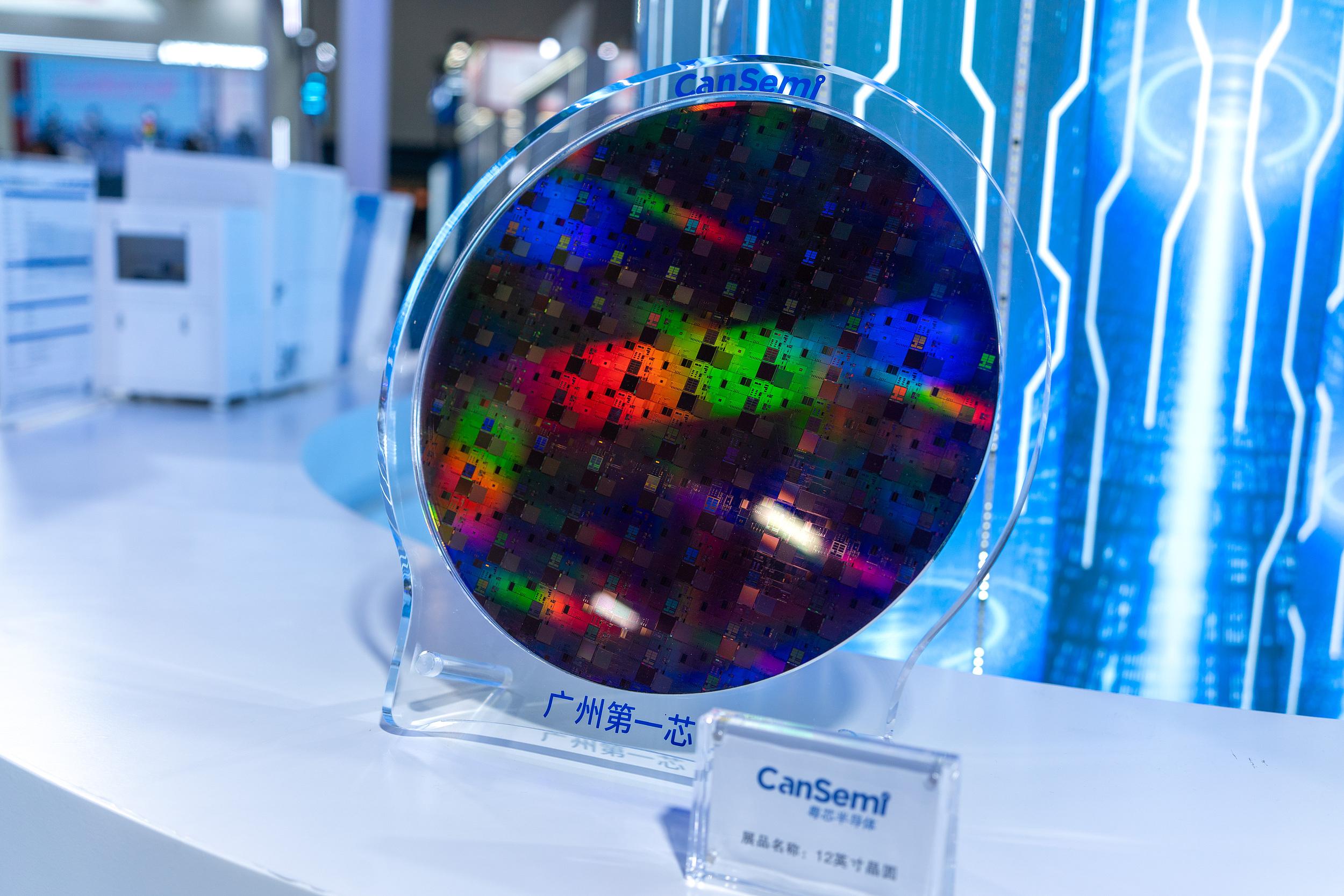
China has unveiled a comprehensive roadmap to upgrade its electronic information manufacturing sector, aiming for the operating revenue of enterprises above designated size to surpass 30 trillion RMB by 2030.
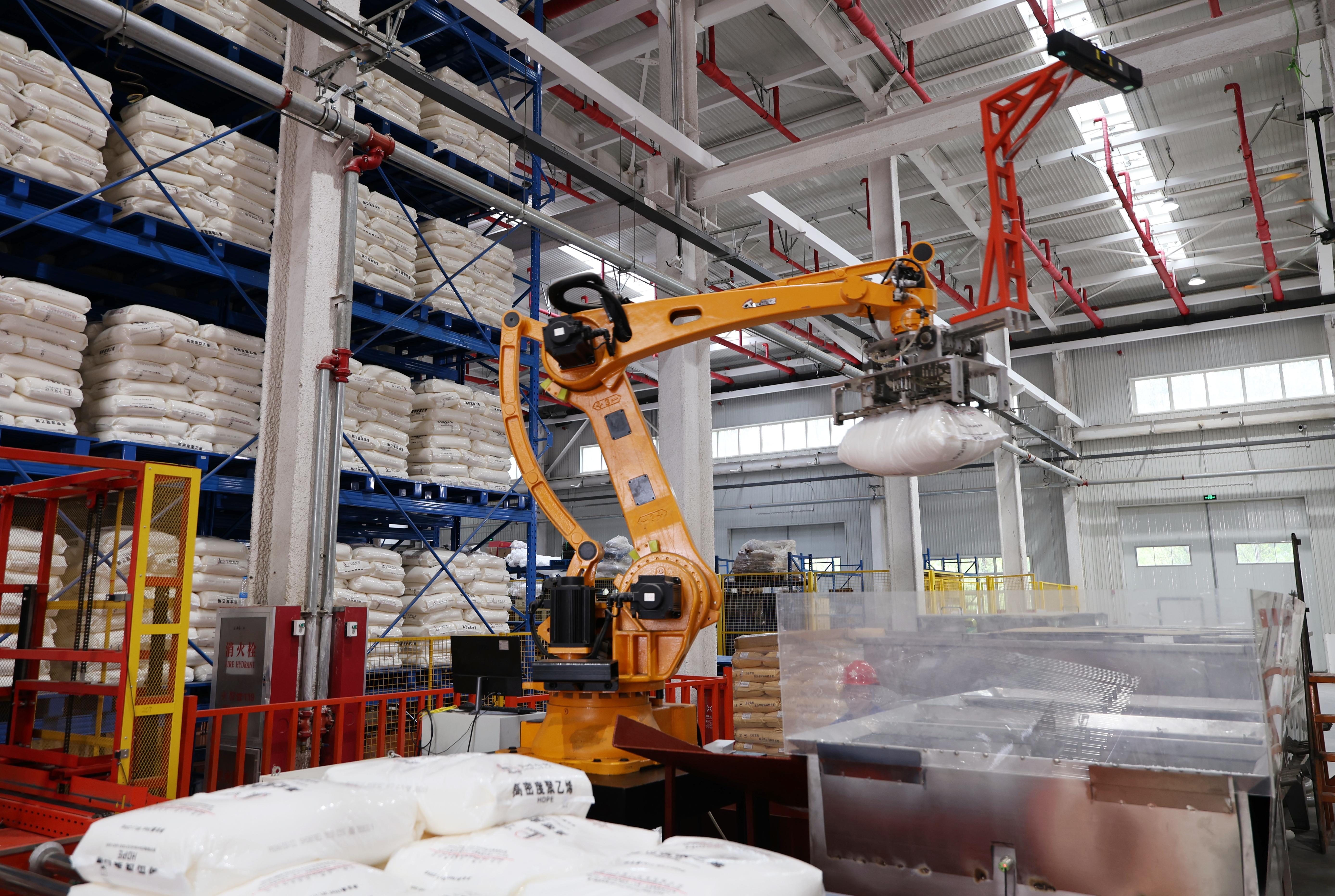
An action plan to advance coordinated digital and green transformation during the 15th Five-Year Plan period (2026‑2030) is issued jointly by seven authorities including the Cyberspace Administration of China (CAC), the National Development and Reform Commission, the Ministry of Industry and Information Technology, and the Ministry of Ecology and Environment.
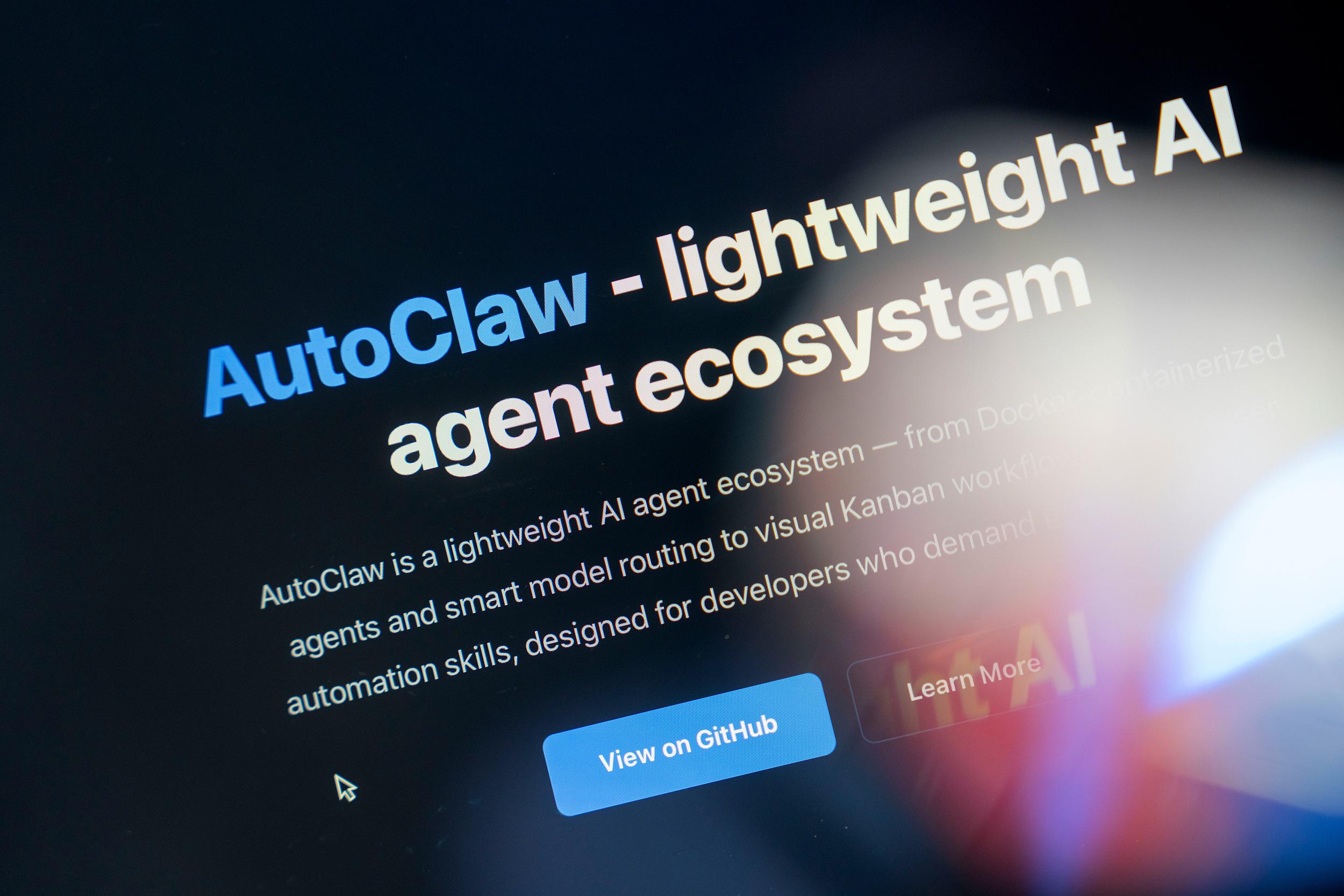
China's integrated development of artificial intelligence (AI) and the software and information technology services industry will reach new heights by 2030, with new business models — including intelligent programming, AI agent software, and intelligent services — emerging as new growth engines for the sector, according to an action plan released by the Ministry of Industry and Information Technology (MIIT).
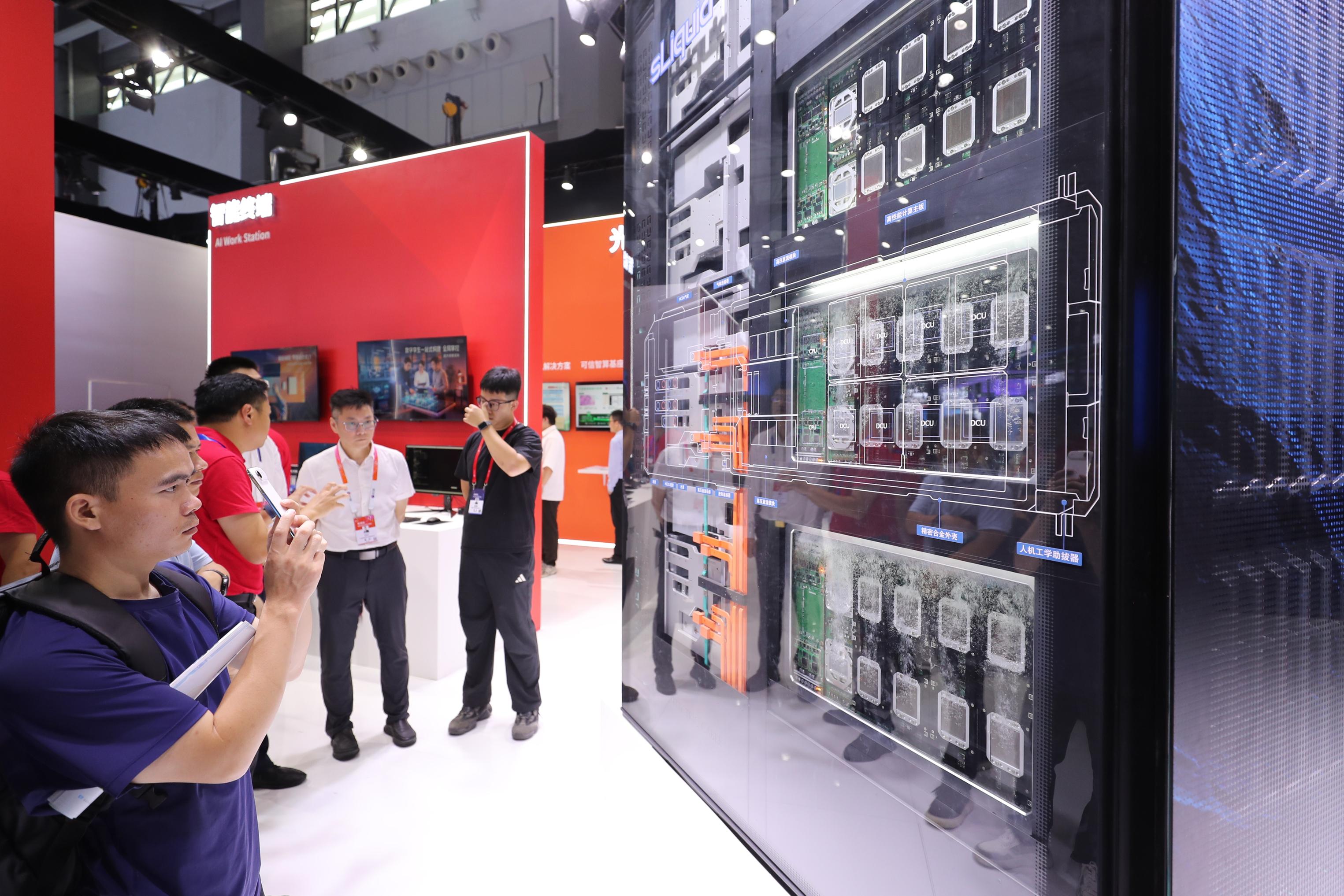
To support in-depth implementation of the "AI Plus" action plan, China will cultivate AI application service providers and build a service provider resource pool, according to a special initiative launched by the Ministry of Industry and Information Technology.
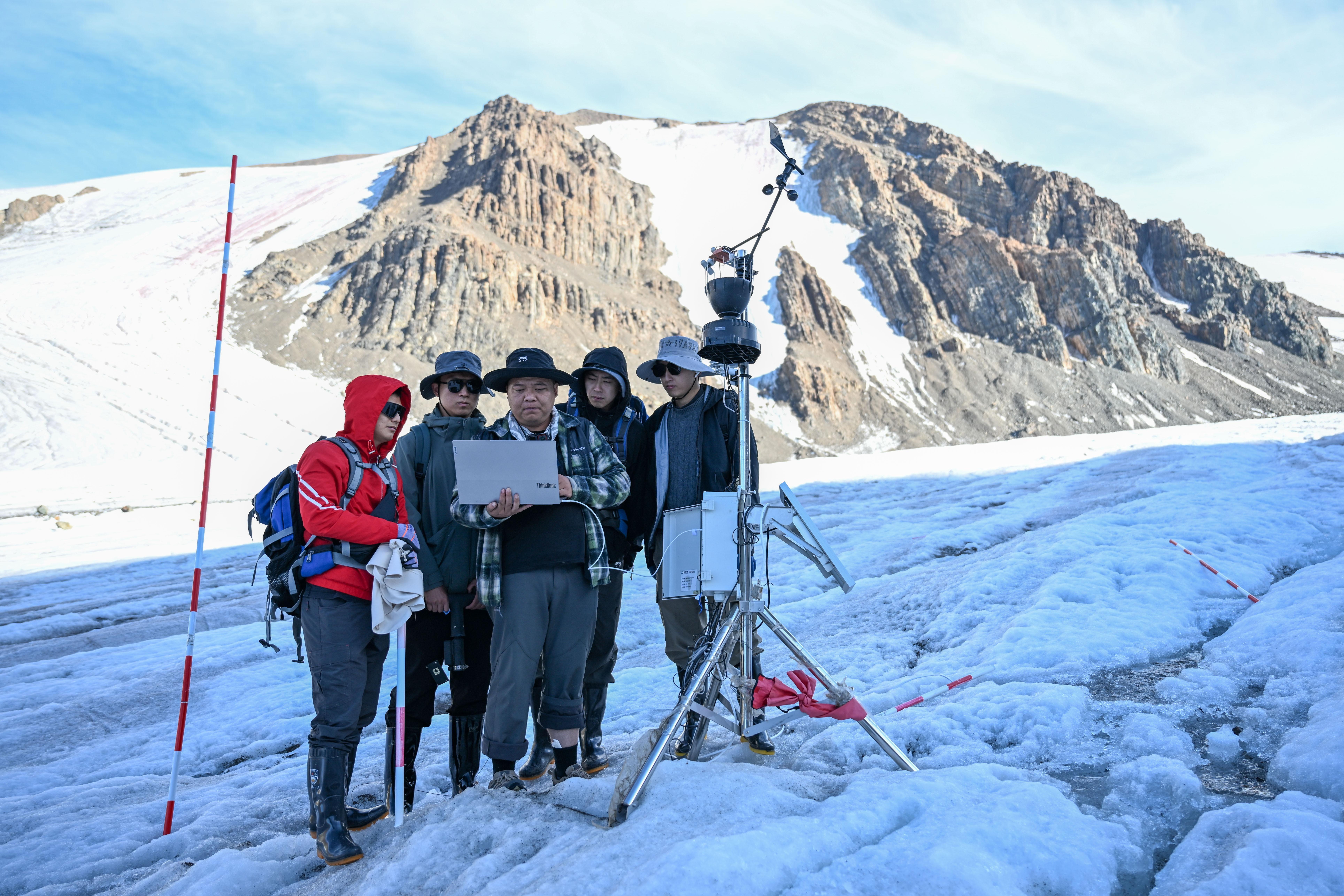
The China Meteorological Administration and the National Development and Reform Commission have issued the 15th Five-Year Plan for the Construction of the National Comprehensive Meteorological Observation System (2026-2030).

China's domestic oil and gas supply will reach 440 million tonnes of oil equivalent by 2030, according to a five-year plan (2026-2030) issued by the National Development and Reform Commission and the National Energy Administration.

Since the 14th Five-Year Plan period (2021-2025), China's safety and emergency equipment industry has developed rapidly, with the output in key areas exceeding 1 trillion RMB in 2025. As the country enters the 15th Five-Year Plan period (2026-2030).

China has released its first mandatory national standard for autonomous driving systems.

Six government authorities, including the Ministry of Ecology and Environment and the Ministry of Natural Resources, have jointly issued the 15th Five-Year Plan (2026-2030) for ecological protection to advance the integrated conservation of mountains, rivers, forests, farmlands, lakes, grasslands and deserts.

China has set a goal of raising its total retail sales of consumer goods to around 60 trillion RMB by 2030 amid steady expansion of its overall consumer market.
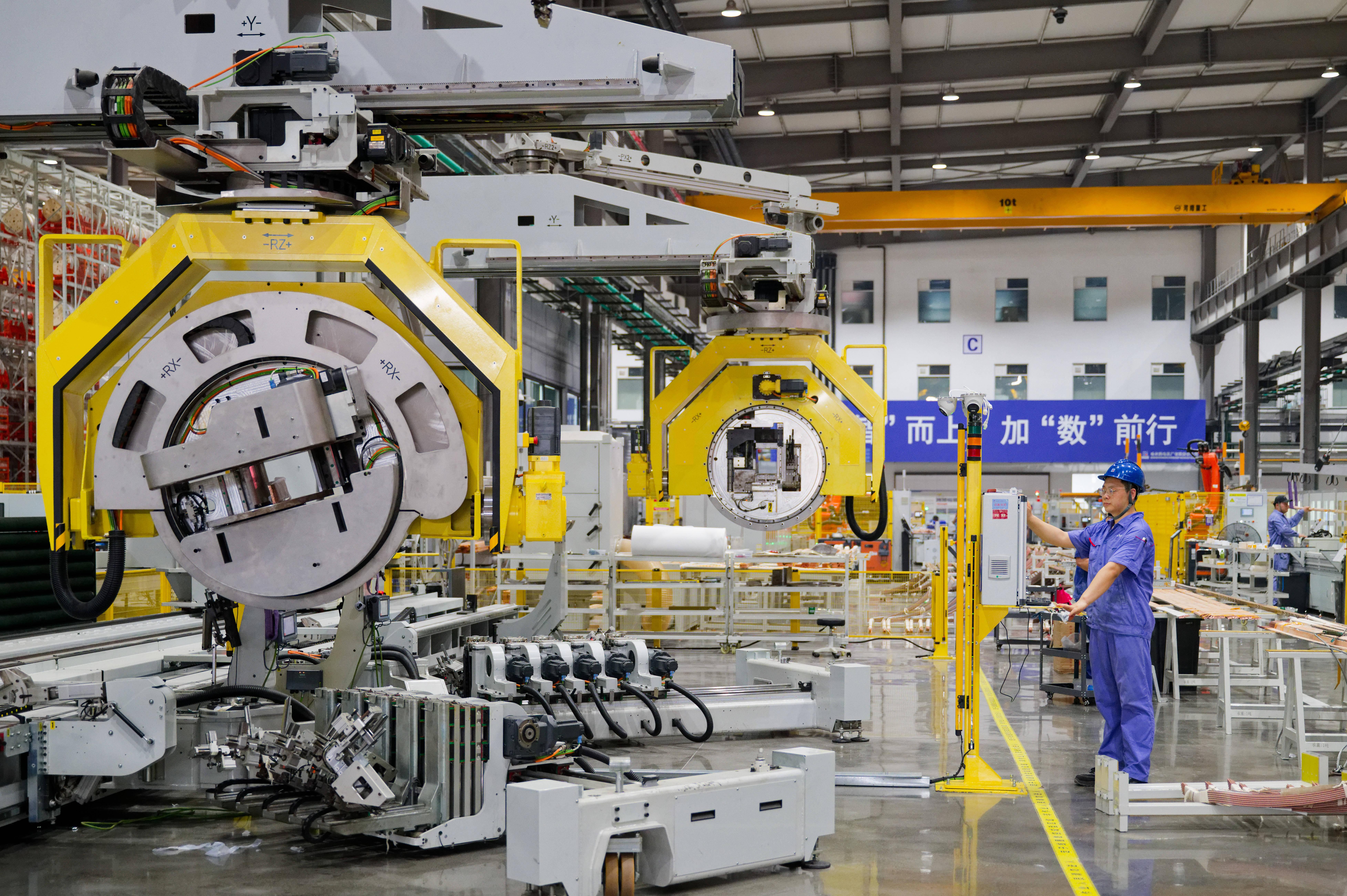
To facilitate all-round green transformation of the economy and society, the Ministry of Industry and Information Technology (MIIT) has released the 15th Five-Year Plan (2026-2030) for accelerating green and low-carbon development of the industry sector.
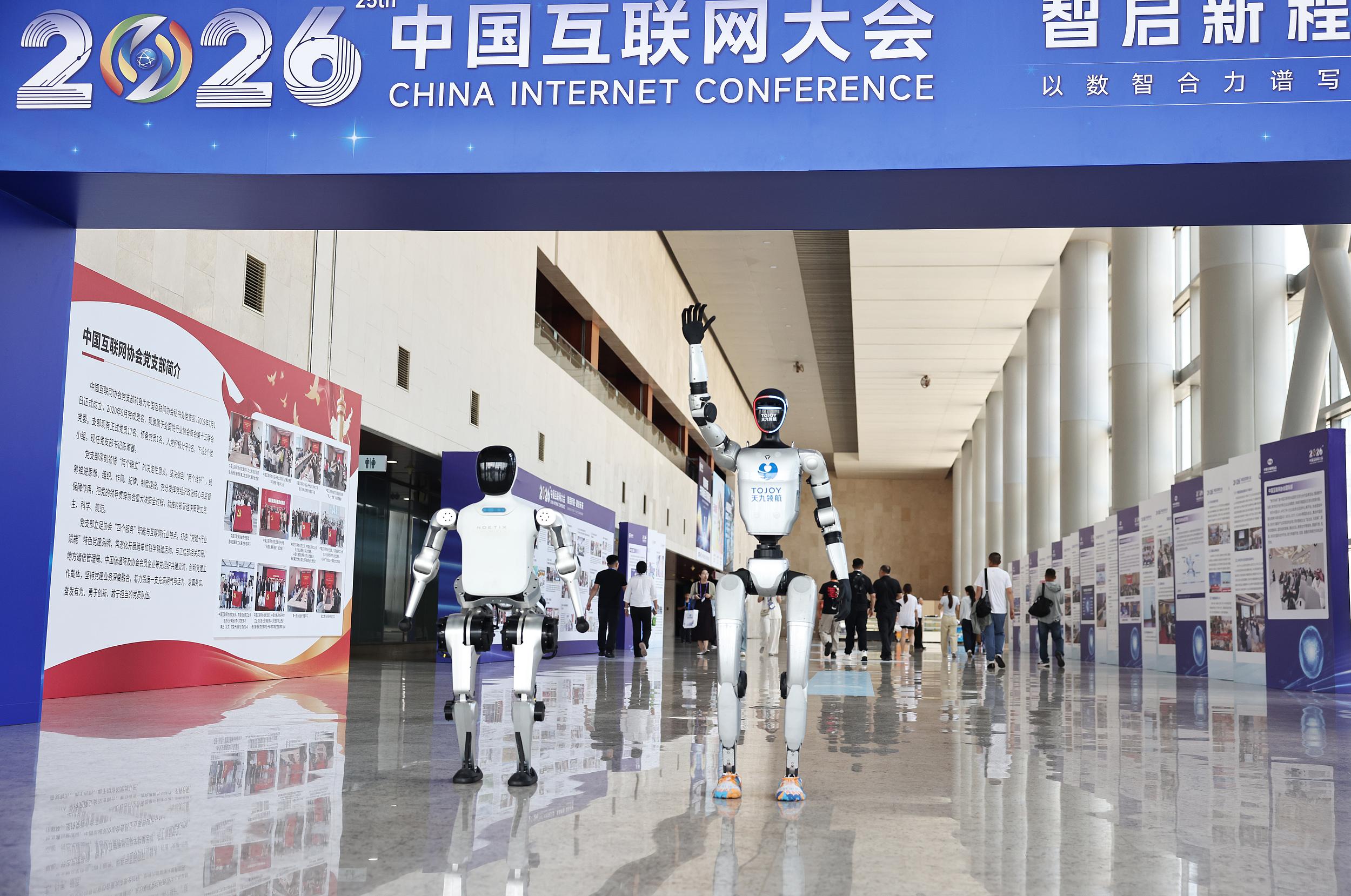
Four departments, including the Ministry of Industry and Information Technology and the Cyberspace Administration of China, have issued a guideline for high-quality development of Internet fundamental resources.
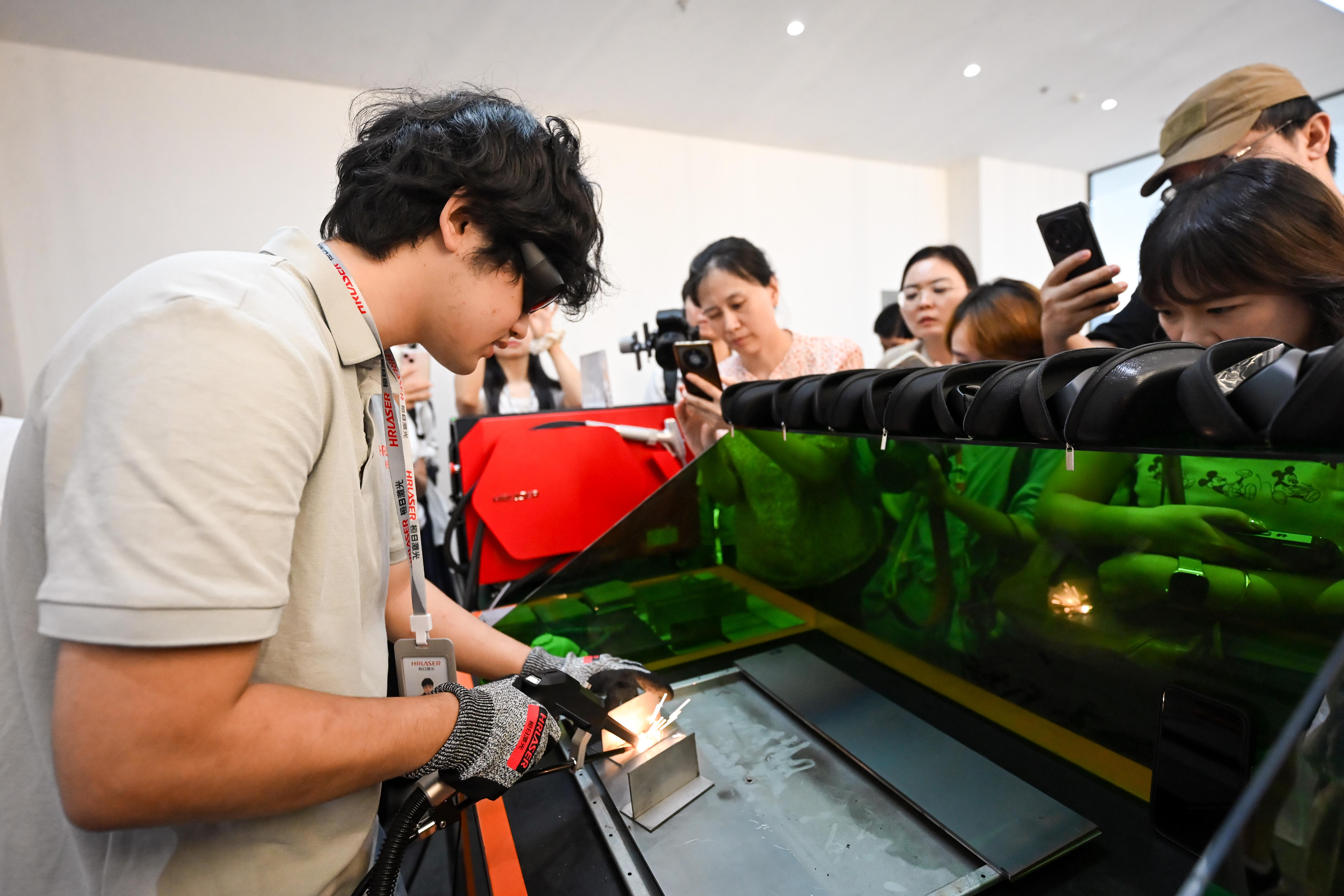
China's State Council has issued a plan for the protection and utilization of IPRs.
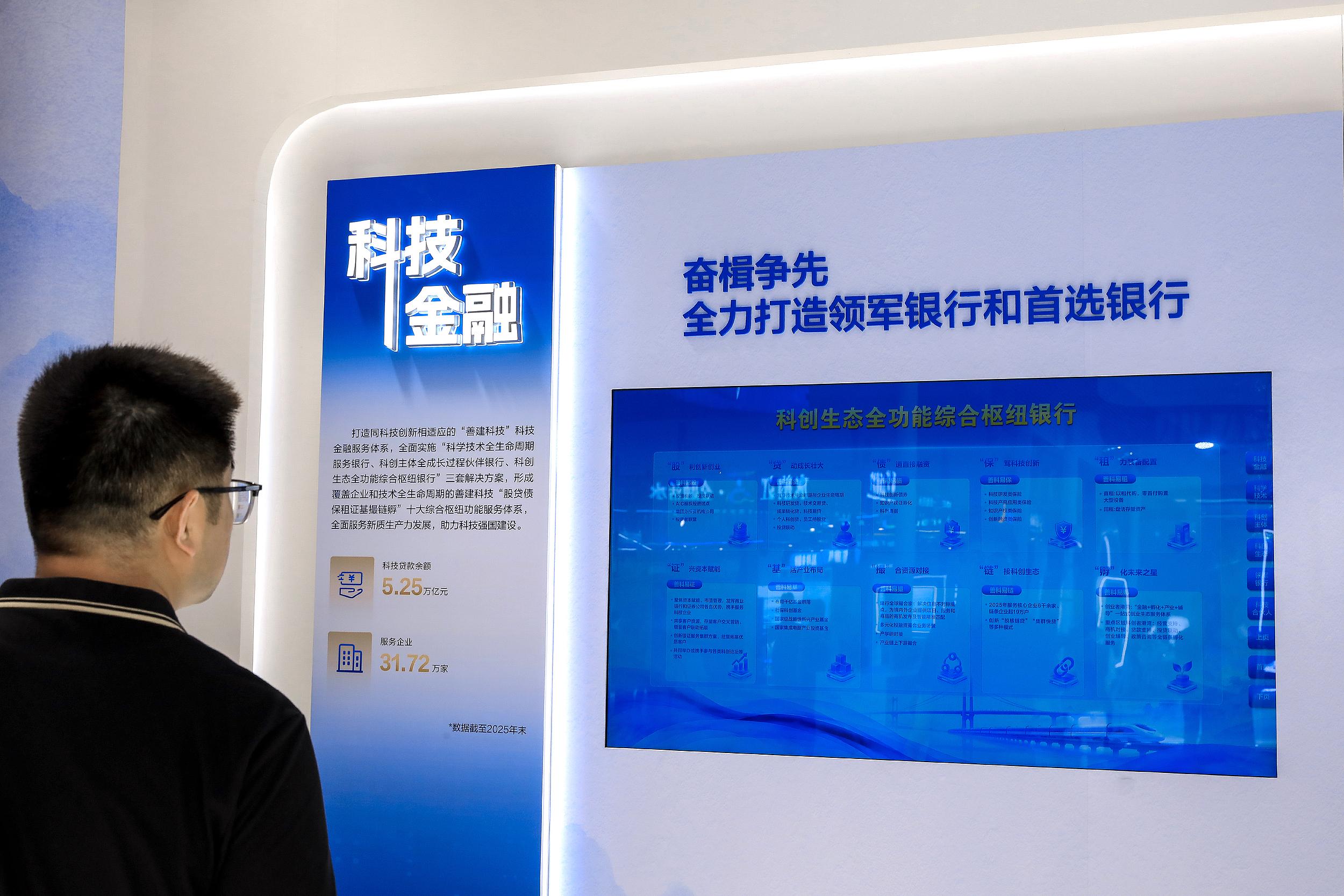
China will boost opening, sharing, integration and application of data in the sci-tech finance sector to underpin high-level technological self-reliance.

Chinese President Xi Jinping has sent a congratulatory letter to the Science and Technology Daily on the occasion of the 40th anniversary of its founding.
Using flotation, a relic salvage technique, researchers have recovered microscopic plant remains from historical sites in China. Foxtail millet traces dating to around 8,600 years ago were unearthed at the Xinglong Site in Hebei and the Simagou Site in Inner Mongolia in north China; 7,700-year-old broomcorn and foxtail millet remains were found at Hebei's Sitai Site and Inner Mongolia's Yumin Site.