

友情链接
- Copyright © Science and Technology Daily, All Rights Reserved
- 科技日报社 中国科技网 版权所有


On March 15, The Japan News published an article online that claimed Chinese remote-sensing satellites pass over Japan roughly once every 10 minutes, "monitoring" Japan's Self-Defense Forces and the U.S. military bases in the country.

March 15 was the third anniversary of the China-proposed Global Civilization Initiative (GCI), marking a pivotal moment in global discourse. Calling for inter-civilizational dialogue and mutual learning, the vision GCI offers is more than an abstract ideal. It serves as a much-needed path forward for a world urgently seeking new models of coexistence.
"AI data poisoning" not only disrupts market order and mislead consumers, but also erodes public trust in the digital ecosystem.
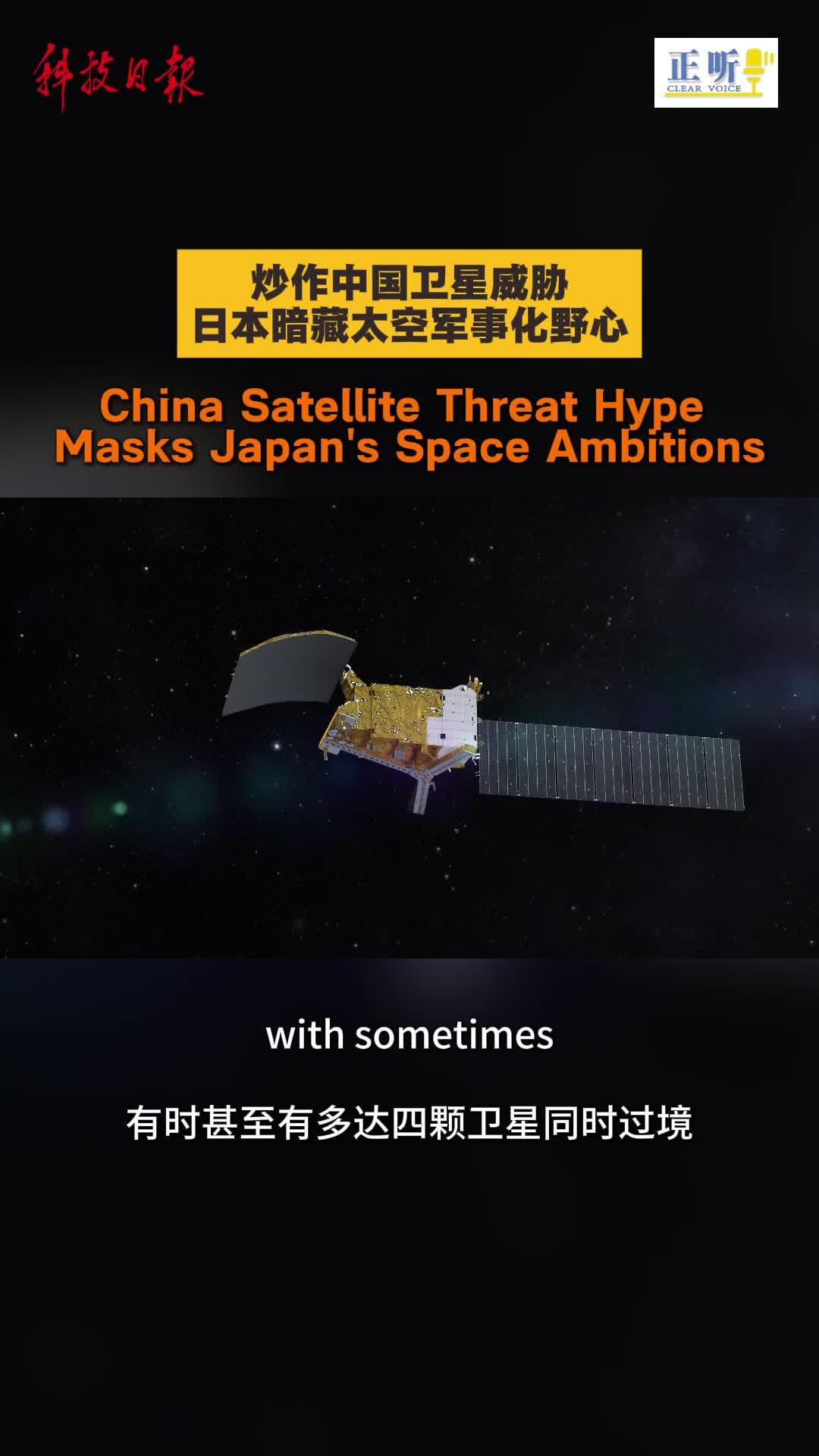
Japan's Yomiuri Shimbun recently reported that Chinese satellites fly over Japan every 10 minutes, "monitoring" Japanese and US military bases, with sometimes four satellites passing over simultaneously. Japan claims to have heightened its alert. The fact is that Chinese satellites fly over Japan is a natural result of orbital physics.

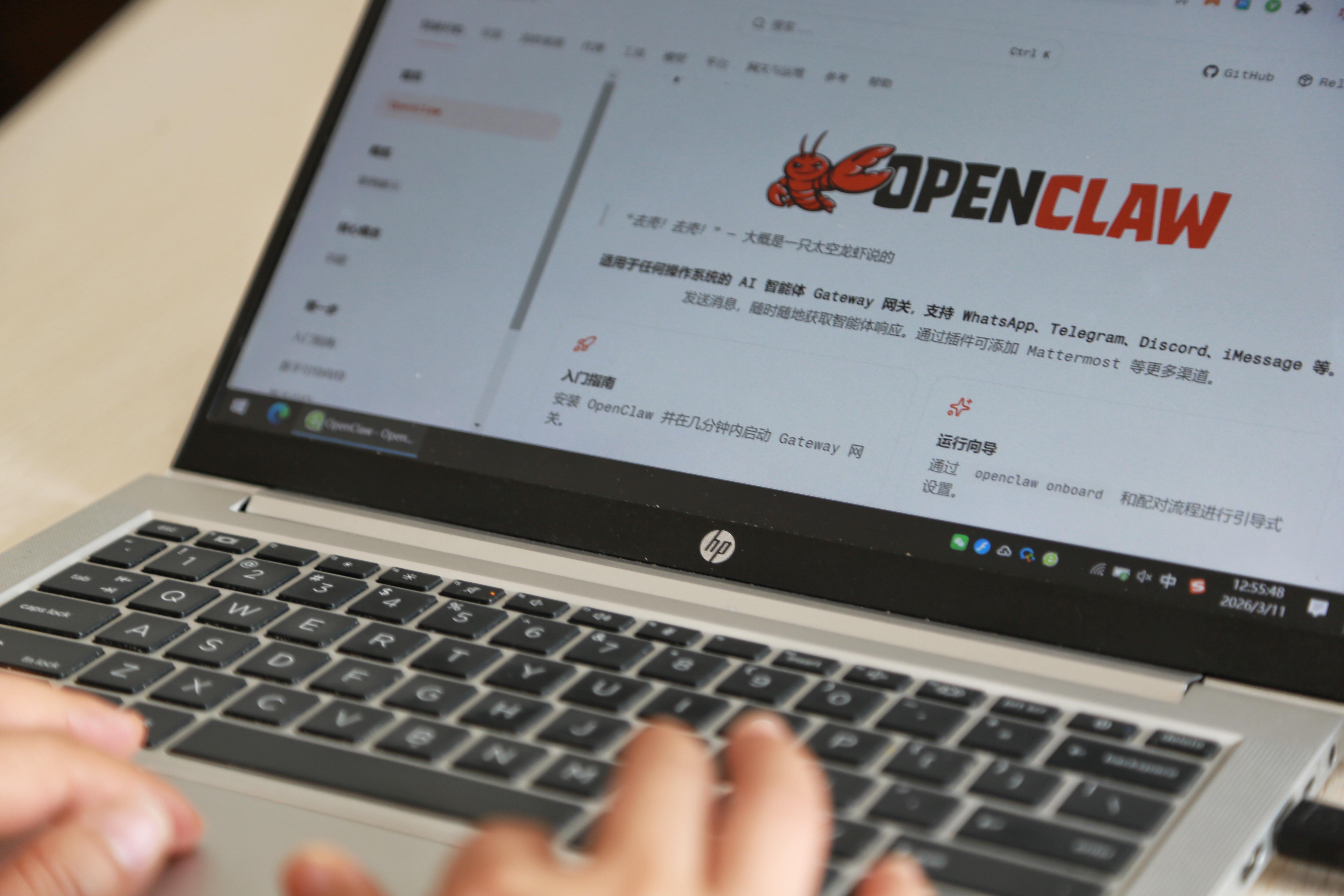
"Have you 'raised lobsters'?" has become the "social currency" in the AI circle. Cities like Hefei, Anhui province and Shenzhen, Guangdong province have issued policies to support "raising lobsters," and some major Internet companies have also announced that their products would be integrated with "lobsters."

China has made remarkable strides in its green tech, with the global society applauding the endeavors and achievements made to promote sustainable development and improve people's well-being.
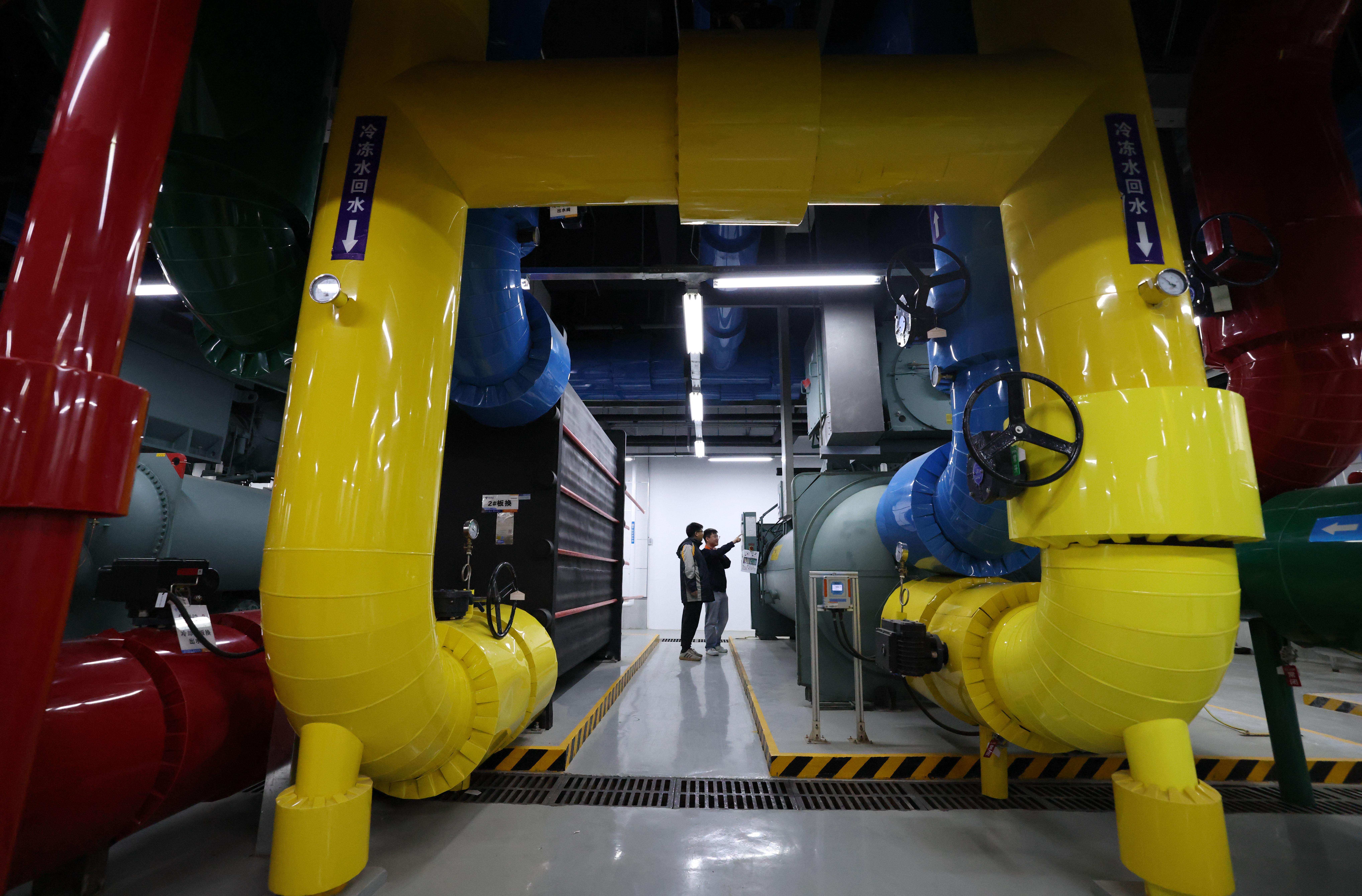
As global computing-power infrastructure expands and major energy projects increase, demand for power equipment is surging worldwide. Keeping pace with this surge, China's power-equipment manufacturing industry has established a competitive landscape, thanks to breakthroughs in core technologies and a fully integrated industrial chain.

The European Union (EU) has barred Chinese research institutions from participating in most projects under its Horizon Europe program starting this year, according to recent reports in Nature and some other media. Horizon Europe is the EU's key funding program for research and innovation.

China's agricultural modernization has progressed steadily, fueling the expanding achievements of poverty alleviation. International observers have seen that in recent years, China's rural industries have flourished, leading to improved living conditions in rural areas and increases in villagers' incomes. China's practical experience in promoting comprehensive rural revitalization and building livable and prosperous rural areas provides valuable lessons for developing countries.

A new act requiring automakers to ensure that at least 70 percent of the components in their vehicles are produced within the European Union (EU) if they are to be eligible for subsidies from EU countries and contracts from public institutions, is planned for release by the the European Commission, according to recent reports by foreign media including the Financial Times.
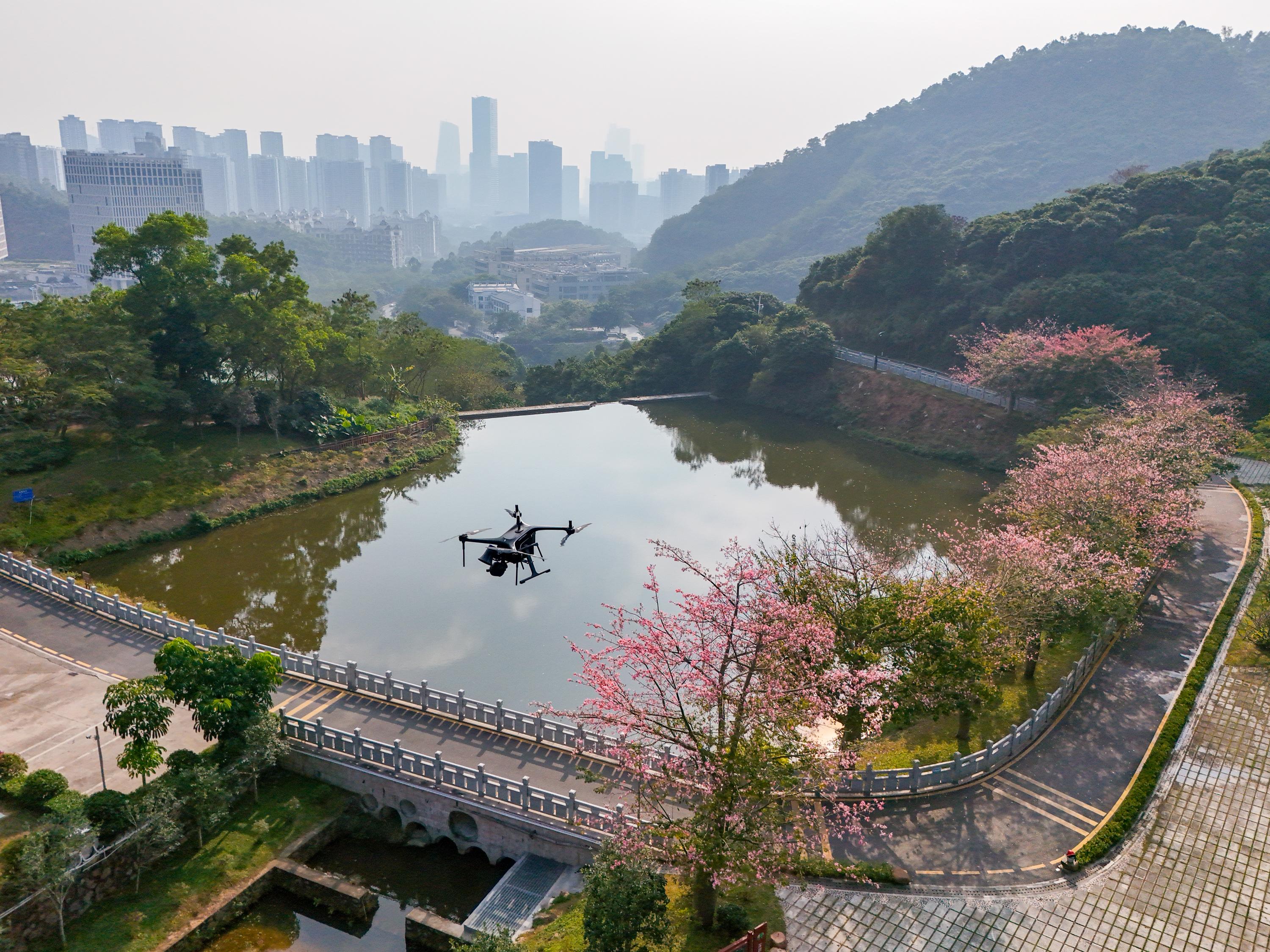
China's leading drone manufacturer DJI has filed an appeal with the U.S. Court of Appeals for the Ninth Circuit, seeking to overturn a decision by the U.S. Federal Communications Commission (FCC) to place DJI drones and related components on its Covered List on December 22, 2025. DJI argues that the decision exceeded the FCC's statutory authority, violated required procedures, and breached the Fifth Amendment of the U.S. Constitution. The FCC uses the Covered List for any telecommunications equipment it deems an unacceptable national security risk.
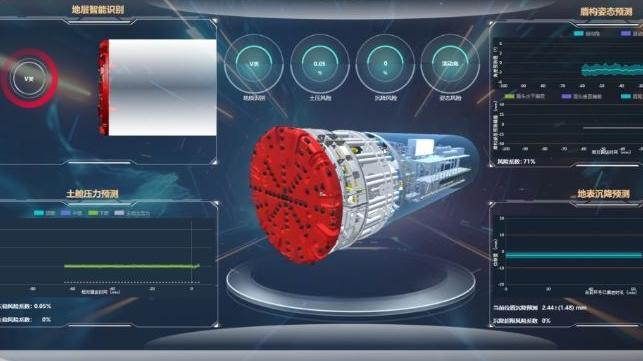
Researchers of Hunan University together with China Railway Construction Industry Co., Ltd., have developed an intelligent system for shield tunneling operations, risk prevention and control. Installed in the super-large diameter shield equipment, the system offers the shield machine a "smart brain" capable of precise control and risk prevention.
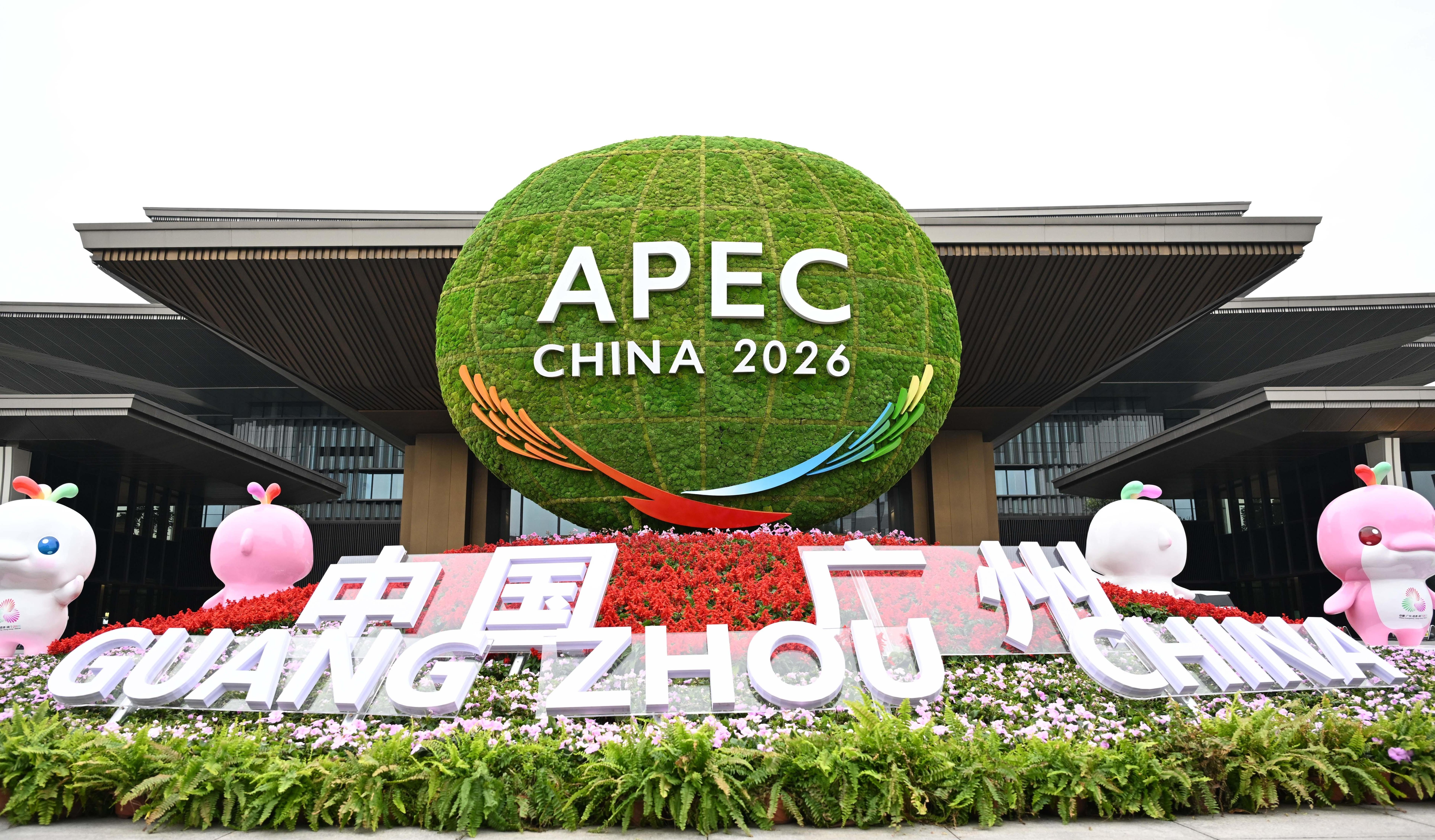
The Asia-Pacific Economic Cooperation (APEC) is the premier forum for economic cooperation in the Asia-Pacific region, boasting the broadest membership and greatest economic influence. China will host the 33rd APEC Economic Leaders' Meeting in Shenzhen, Guangdong province in November 2026, fully demonstrating the responsibility of a world leader.

Recently, some Swedish media outlets have claimed that untested Chinese-made machinery was responsible for the bankruptcy of the country's well-known battery maker Northvolt. In response, a spokesperson for the Chinese Embassy in Sweden said that attributing Northvolt's bankruptcy to a Chinese equipment supplier is baseless, completely untenable, and a typical case of scapegoating and shifting blame.

Global drone leader DJI has officially sued the Federal Communications Commission, or FCC, to overturn its placement of the company on the "Covered List." This is not just a commercial dispute; it's a defense of the rule of law.

The European Commission plans to issue the Industrial Accelerator Act, which is essentially a trade protection measure targeting Chinese automobiles.
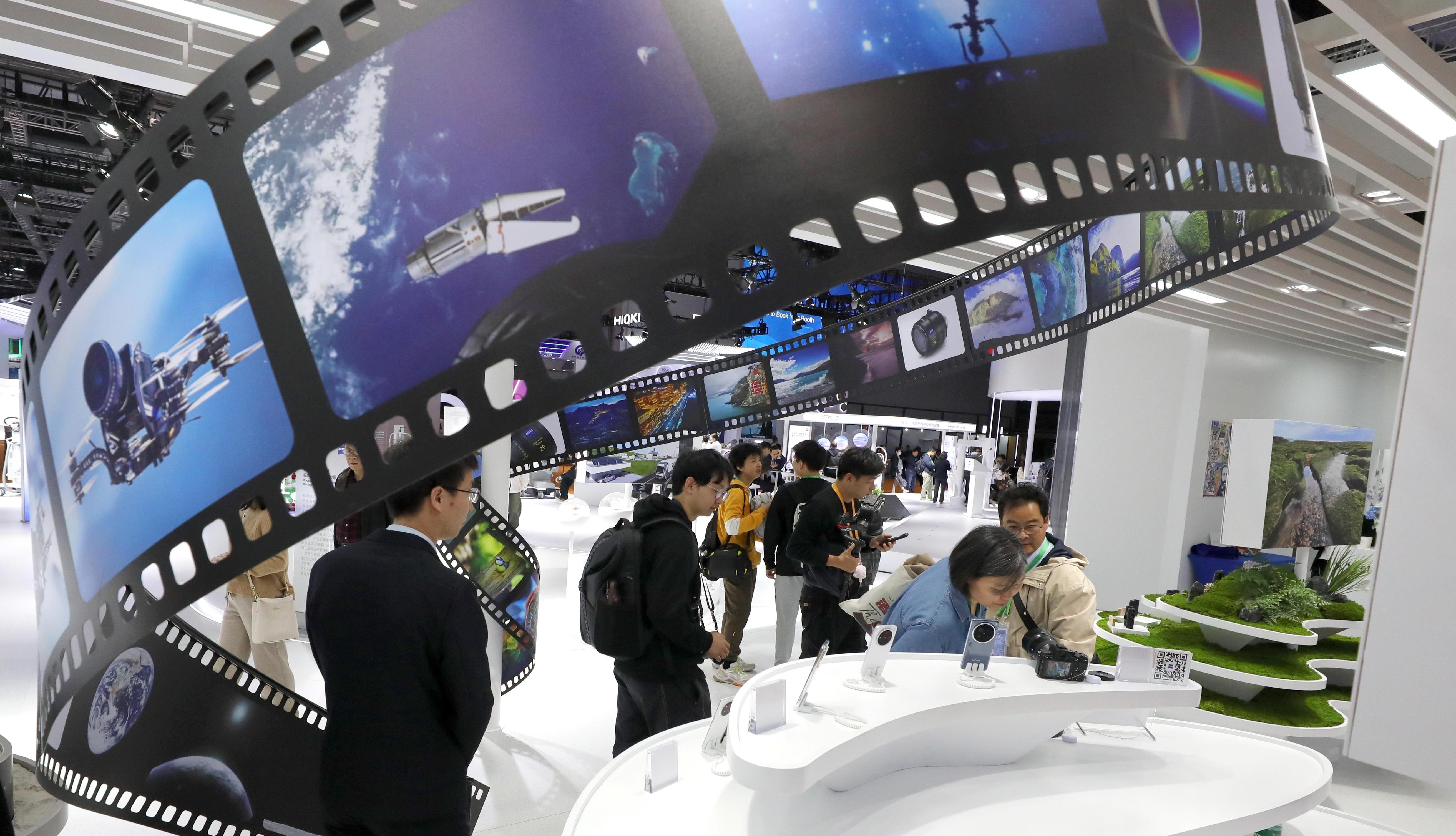
Since 2025, trade and investment between China and Europe has remained on a steady upward trajectory, with the current investment boom from European companies in China showing no signs of slowing down.

With the world entering a new era of technological and industrial transformation, future industries are key to long-term advantage — and China is moving fast to build them.
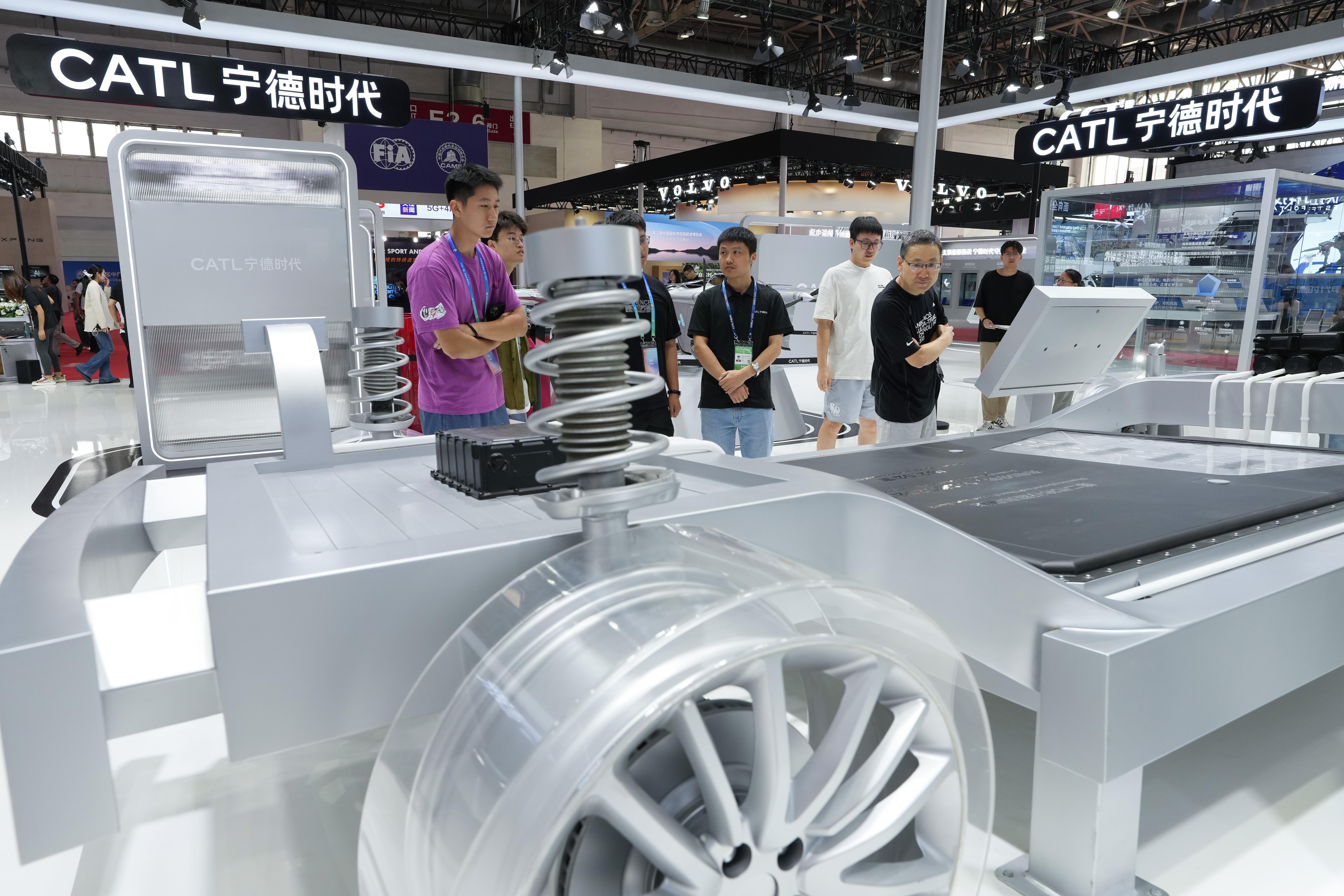
Recently, John Moolenaar, chairman of the U.S. House select committee on China, sent a letter to Ford Motor Company CEO Jim Farley, questioning Ford's cooperation with Chinese battery manufacturers such as Contemporary Amperex Technology Co., Ltd. (CATL).


Chinese President Xi Jinping has sent a congratulatory letter to the Science and Technology Daily on the occasion of the 40th anniversary of its founding.
A growing number of assistive technologies are coming to market to address challenges in rehabilitation, safety and daily care for older adults and people with disabilities, using technology to improve their quality of life.